High-Quality AC Care Without Breaking the Bank
As the summer heat intensifies, a well-functioning air conditioning system becomes essential for comfort and well-being. However, many homeowners worry about the costs associated with maintaining and repairing their AC units. The good news is that high-quality AC care doesn't have to drain your wallet. With smart strategies, regular upkeep, and a bit of know-how, you can keep your air conditioner running efficiently without overspending.
Understanding the Importance of Regular AC Maintenance
Air conditioners are complex systems that require periodic attention to function optimally. Neglecting maintenance can lead to decreased efficiency, higher energy bills, and costly repairs down the line. Regular upkeep not only extends the lifespan of your unit but also ensures that your home stays cool and comfortable during the hottest months.
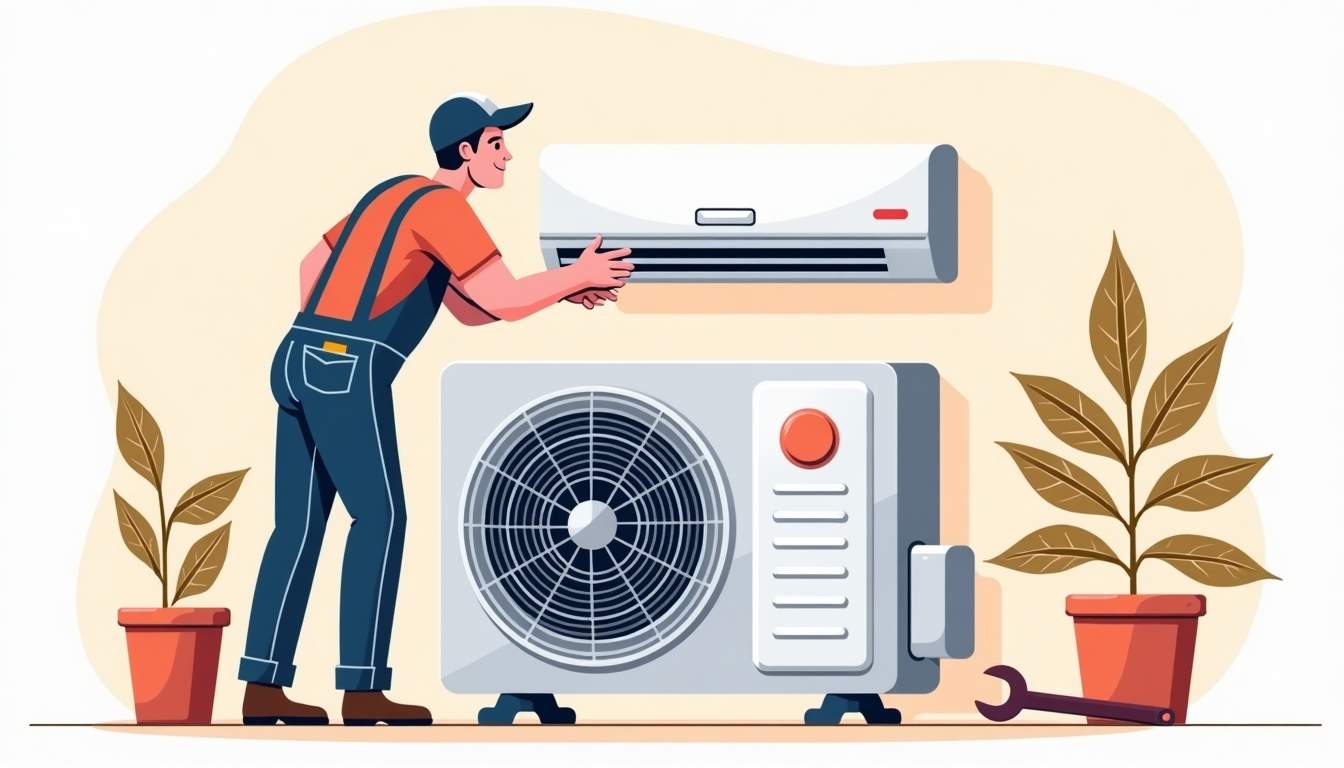
One of the key benefits of routine maintenance is improved energy efficiency. When components like filters, coils, and fins are clean and in good condition, the system doesn't have to work as hard to cool your home. This translates to lower electricity bills and less environmental impact. Moreover, maintenance helps identify small issues before they escalate into major problems, saving you from expensive emergency repairs.
Common Maintenance Tasks You Can Do Yourself
While some AC maintenance requires professional expertise, there are several simple tasks homeowners can handle to keep their systems in good shape. Changing or cleaning air filters every one to three months is one of the easiest and most effective ways to improve airflow and reduce strain on your unit. Dirty filters can block airflow, forcing your AC to consume more energy and potentially causing damage.
Another DIY task is cleaning the outdoor condenser unit. Over time, dirt, leaves, and debris can accumulate around the unit, obstructing airflow and reducing efficiency. Gently removing debris and hosing down the fins can help maintain proper function. Just be sure to turn off the power to the unit before cleaning to avoid any accidents. Additionally, checking the insulation on refrigerant lines can help maintain optimal performance; if you notice any wear or damage, consider replacing it to prevent energy loss. For more expert tips or professional help, you can visit Aircon Servicing to ensure your system runs smoothly year-round.
When to Call a Professional
While routine tasks are manageable, certain maintenance and repair jobs require a trained technician. If your AC is making unusual noises, failing to cool properly, or showing signs of leaking refrigerant, it's time to seek professional help. Annual tune-ups by a certified technician can include checking refrigerant levels, inspecting electrical components, lubricating moving parts, and testing system controls.
Investing in professional maintenance might seem like an added expense, but it often pays for itself by preventing breakdowns and improving efficiency. Many HVAC companies offer affordable maintenance plans that include regular inspections and priority service, helping you budget for upkeep without surprises. Furthermore, these plans can often include additional perks, such as discounts on repairs or extended warranties, providing peace of mind and financial security for homeowners. Regularly scheduled professional visits can also help keep your system compliant with local regulations and safety standards, ensuring that your home remains a safe and comfortable environment for your family.
Smart Tips for Saving Money on AC Care
Keeping your AC in top condition doesn't have to be expensive. There are several practical steps you can take to minimize costs while maximizing performance.
Optimize Your Thermostat Settings
One of the simplest ways to reduce AC wear and energy consumption is by adjusting your thermostat wisely. Setting the temperature a few degrees higher when you're away or asleep can significantly cut cooling costs. Programmable or smart thermostats make this easy by automatically adjusting settings based on your schedule.
Additionally, avoid setting your thermostat to extremely low temperatures in an attempt to cool your home faster. This only causes the system to run longer and increases energy use without speeding up the cooling process. Instead, consider using features like "eco mode" if available, which optimizes energy use while maintaining comfort levels.
Seal and Insulate Your Home
Preventing cool air from escaping and hot air from entering your home reduces the workload on your AC unit. Simple measures like sealing gaps around windows and doors, adding weatherstripping, and improving insulation can make a noticeable difference. Not only do these steps enhance comfort, but they also lower energy bills. Investing in high-quality insulation can yield long-term savings, as it helps maintain a stable indoor temperature year-round.
Moreover, consider conducting a home energy audit to identify areas that need improvement. Many utility companies offer these services for free or at a reduced cost. By pinpointing air leaks and insulation deficiencies, you can make targeted repairs that will further enhance your home's energy efficiency.
Use Fans to Complement Your AC
Ceiling fans and portable fans help circulate air, making rooms feel cooler even at higher thermostat settings. By using fans in conjunction with your AC, you can raise the thermostat by a few degrees without sacrificing comfort, leading to energy savings. In fact, running a ceiling fan can create a wind-chill effect, allowing you to feel cooler without lowering the temperature.
Additionally, remember to adjust your ceiling fan's direction according to the season. In the summer, set it to rotate counterclockwise to push cool air down, while in the winter, switch it to clockwise to circulate warm air that rises. This simple adjustment can enhance your home's comfort level throughout the year, making your AC system work more efficiently and effectively.
Choosing the Right AC Unit for Your Budget
If your current air conditioner is old or inefficient, replacing it with a newer model might be a cost-effective decision in the long run. Modern units are designed to use less energy and provide better cooling performance. Not only do these newer systems offer improved technology, but they also often come equipped with smart features that allow for greater control and convenience, such as programmable thermostats and remote access through mobile apps. This means you can adjust your home's temperature from anywhere, ensuring comfort and efficiency.
Energy Efficiency Ratings Matter
When shopping for a new AC, look for units with a high Seasonal Energy Efficiency Ratio (SEER) rating. Higher SEER ratings indicate better energy efficiency, which can translate to lower operating costs. While energy-efficient models may have a higher upfront price, the savings on your utility bills often justify the investment. Additionally, many energy-efficient units are designed with eco-friendly refrigerants that have a lower environmental impact, making them a more sustainable choice for the eco-conscious consumer.
Size and Capacity Considerations
Choosing the right size AC unit is crucial. An oversized unit will cycle on and off frequently, wasting energy and causing uneven cooling. Conversely, an undersized unit will struggle to cool your home adequately. Professional HVAC contractors can perform a load calculation to recommend the appropriate size based on your home's square footage, insulation, and other factors. It's also important to consider your home's layout and the number of windows, as these can significantly affect cooling efficiency. A well-placed AC unit can enhance airflow and comfort throughout your living space.
Explore Financing and Rebates
Many manufacturers and utility companies offer rebates and incentives for purchasing energy-efficient AC units. Additionally, financing options with low or zero interest can make upgrading more affordable. Research available programs in your area to take advantage of these savings opportunities. Some local governments even provide tax credits for energy-efficient home improvements, which can further alleviate the financial burden of investing in a new air conditioning system. Be sure to keep all receipts and documentation to ensure you can claim any eligible rebates or credits.
Preventive Measures to Avoid Costly Repairs
Beyond regular maintenance, certain preventive actions can help you avoid unexpected breakdowns and extend the life of your air conditioner.
Monitor for Early Warning Signs
Pay attention to how your AC operates. Strange noises, reduced airflow, unusual odors, or increased humidity levels can indicate underlying issues. Addressing these signs promptly can prevent minor problems from escalating into expensive repairs.
Keep the Surrounding Area Clear
Ensure that the outdoor condenser unit has at least two feet of clearance on all sides. Avoid planting shrubs or placing objects too close, as restricted airflow can cause the system to overheat and fail prematurely.
Schedule Seasonal Inspections
Having your AC inspected before the cooling season begins allows technicians to identify and fix potential problems early. This proactive approach reduces the likelihood of breakdowns during peak usage and helps maintain efficiency.
DIY Troubleshooting for Common AC Issues
Before calling a professional, some minor AC problems can be diagnosed and fixed with a bit of troubleshooting.
AC Not Cooling Properly
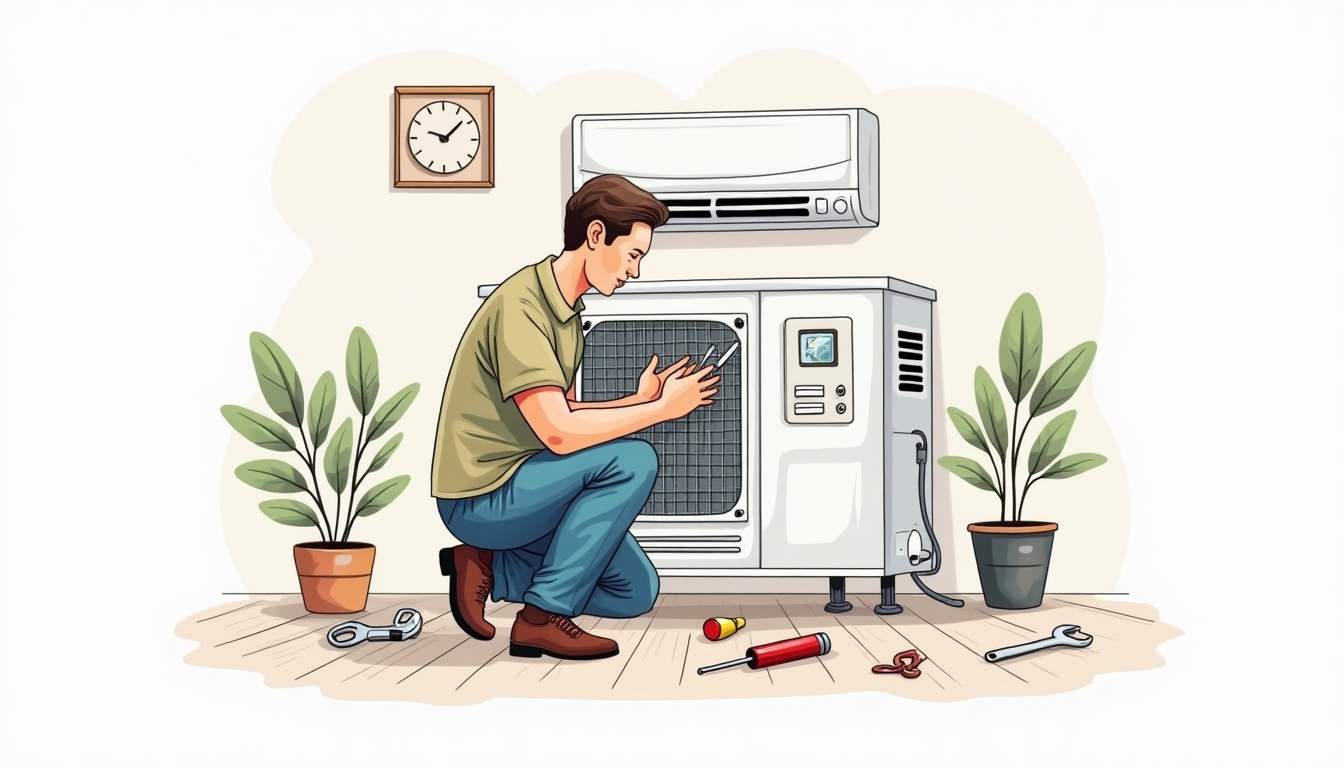
Check if the thermostat is set correctly and that the air filter is clean. Dirty filters restrict airflow and reduce cooling effectiveness. Also, inspect the outdoor unit for debris or obstructions.
AC Won't Turn On
Ensure that the unit is plugged in and that the circuit breaker hasn't tripped. Sometimes, resetting the breaker or replacing batteries in a wireless thermostat can resolve the issue.
Water Leaks Around the Unit
Condensation is normal, but excessive water could indicate a clogged drain line or frozen evaporator coils. Clearing the drain line or turning off the system to allow coils to thaw might help, but persistent leaks require professional attention.
Conclusion
Maintaining a comfortable home environment during hot weather doesn't have to come with a hefty price tag. By understanding your air conditioning system, performing regular maintenance, making smart energy choices, and knowing when to seek professional help, you can enjoy high-quality AC care without breaking the bank.
Investing time and effort into preventive measures and informed decisions not only saves money but also enhances the reliability and longevity of your air conditioner. With these strategies, staying cool and comfortable is both achievable and affordable.
Comments
Post a Comment